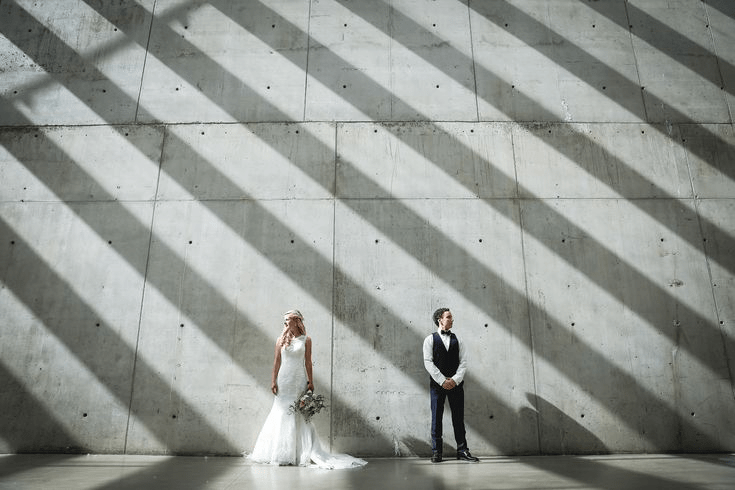
Destination weddings have become increasingly popular for couples seeking a unique, memorable celebration in stunning locations. Whether it’s a beachside Read this post ceremony in the Caribbean, a romantic vineyard wedding in Tuscany, or a majestic mountain retreat, destination weddings offer breathtaking backdrops and unforgettable experiences. For photographers, destination weddings present an exciting opportunity to blend travel with creativity—but they also come with unique challenges.
If you’re preparing to photograph a destination wedding, these essential tips will help you capture every special moment flawlessly while navigating the demands of shooting away from home.
- Research the Location Thoroughly
Every destination has its own unique lighting, weather patterns, and cultural nuances. Before the wedding day, invest time in researching the location:
Visit the Venue (If Possible): Arriving a day or two early to scout the venue helps you identify the best photo spots, understand the lighting at different times of day, and plan your shot list.
Understand the Climate: Weather can be unpredictable in new locations. Prepare for conditions such as intense sun, humidity, rain, or wind, and pack accordingly.
Learn Local Customs: Some locations have specific wedding traditions or restrictions on photography—being aware ensures respectful and smooth shooting.
- Pack Light but Smart
Traveling with bulky photography gear can be cumbersome, so it’s essential to pack efficiently while not sacrificing your creative options.
Essential Lenses: Bring versatile lenses such as a fast 24-70mm zoom for portraits and events, a prime 50mm or 85mm for stunning shallow depth of field, and perhaps a wide-angle for landscapes and venue shots.
Backup Equipment: Always carry backup batteries, memory cards, and possibly a second camera body to avoid technical mishaps.
Portable Lighting: If the venue has tricky lighting, portable flashes or LED panels can be lifesavers.
Weather Protection: Carry rain covers or waterproof bags to protect your gear in case of unexpected weather.
- Communicate Clearly with the Couple
Since destination weddings often involve less time for planning than local ones, clear communication is key:
Discuss Expectations: Understand what moments, styles, and must-have shots the couple desires.
Set Boundaries: Clarify your arrival and departure times, and any specific cultural or venue rules.
Plan the Timeline: Knowing the wedding day schedule helps you prepare for lighting conditions and key events.
- Use Natural Light Whenever Possible
Many destination weddings take place in picturesque outdoor settings, where natural light is abundant and beautiful.
Golden Hour Magic: The hour just after sunrise and before sunset offers soft, warm light that flatters subjects and enhances the location’s natural beauty.
Avoid Harsh Midday Sun: Midday sun can create unflattering shadows and squinting. Seek shaded areas or use reflectors to soften light.
Embrace Overcast Days: Cloudy skies act like giant diffusers, creating even, flattering light for portraits.
- Adapt to Local Lighting Challenges
Indoor venues, especially in foreign locations, may have lighting that is unfamiliar or challenging:
Test Different Settings: Before the ceremony, test your camera’s settings in the venue’s lighting to avoid surprises.
Use Manual Mode: Control over shutter speed, aperture, and ISO helps you balance exposure precisely.
Consider High ISO Capabilities: Some venues might require shooting in low light, so use a camera that performs well at high ISO settings.
- Capture the Destination’s Spirit
Destination wedding photos are not just about the couple—they’re about the entire experience and place.
Include Scenic Shots: Wide landscape shots of beaches, mountains, or cityscapes set the scene.
Cultural Elements: Document local traditions, decorations, attire, and surroundings to tell the full story.
Candid Moments: Capture genuine interactions between the couple and guests enjoying the destination.
- Stay Organized and Back Up Your Work
Traveling increases the risk of losing valuable images due to equipment loss or damage, so organization is crucial:
Back Up Daily: Use portable hard drives or cloud storage to back up photos as soon as possible.
Label Files Clearly: Maintain a consistent naming system for easy retrieval.
Keep Gear Secure: Use sturdy, lockable bags and never leave your equipment unattended.
- Prepare for Travel and Jet Lag
Destination weddings often require crossing time zones, which can affect your energy and performance.
Arrive Early: Give yourself at least a day or two before the wedding to acclimate.
Rest Well: Prioritize sleep to stay sharp during the busy wedding day.
Stay Hydrated and Eat Well: Traveling can dehydrate you; good nutrition helps maintain stamina.
- Be Respectful and Adaptable
Every destination has its unique customs and rules. Showing respect for the local culture and flexibility in your approach will earn you trust and make your job easier.
Seek Permission: Some locations may require permits or permissions for photography.
Be Discreet: In sacred or private settings, work unobtrusively and quietly.
Adapt to Unexpected Changes: Weather, schedules, or venue rules can change—stay calm and creative in finding solutions.
- Leverage the Destination for Creative Shots
Use the destination’s unique features to inspire your creativity:
Play with Reflections: Water, glass, or shiny surfaces offer interesting compositional possibilities.
Incorporate Architecture: Urban or historic buildings add depth and character.
Use Natural Elements: Beaches, flowers, rocks, or forests frame the couple beautifully.
Final Thoughts
Destination wedding photography is a thrilling adventure that challenges photographers to blend technical skill with cultural sensitivity and creative vision. By preparing thoughtfully, adapting to the environment, and embracing the unique beauty of the location, you can create stunning images that the couple will cherish forever.
 Site Title